
5 Reasons Why First Principles Forge the Strong Men Society Craves Today
In today's newsletter, I'm breaking down why first principles build strong men that are needed in society—men who don't observe chaos, but step up to safeguard the vulnerable and restore to protection

You know, those moments when a simple conversation with your kid or spouse reveals deeper truths. Yet nothing hits harder than witnessing vulnerability shattered, like the recent case of Iryna Zarutska's murder on a North Carolina bus on August 22, 2025 — her eyes filled with terror as she bled out on the public bus, undefended by anyone aboard for so long.
My condolences to her family.
⛔ GRAPHIC WARNING ⛔ ~ SKIP IF NEED BE:
Public Bus Footage of the Death of Iryna Zarutska
Consider this Socratic question: How have American men failed to forge enduring frameworks — in politics to enact protective laws, in legislation to uphold justice, and in physical prowess to defend the innocent? No one on that bus rose up, not even leveraging our 2nd Amendment Constitutional rights to potentially safeguard her or deter the assailant.
It's a gentle irony, isn't it? We arm ourselves with ideals, yet falter in the fundamentals of responsibility.
Fundamentally, this void demands men anchored in First Principles, not fleeting excuses. Today's newsletter 1will dive deep into why First Principles build strong men that are needed in modern society — strong enough to feel the call of duty to shield women, like Iryna, children and families from such preventable tragedies.
5 Reasons Why First Principles Forge the Strong Men Society Craves Today
What separates men who stand firm amid uncertainty from those who falter? It's not sheer willpower or endless self-help books.
It's returning to First Principles — those fundamental truths that strip away the noise and reveal what's timelessly real.
Consider this: A study from the American Psychological Association shows that men grounded in core values report 40% higher life satisfaction than those chasing surface-level goals. Yet, conventional wisdom pushes reactive living — scrolling through advice without questioning the basics.
This can miss a key insight:
First principles don't just guide decisions; they often sculpt character that society desperately needs.
Why does this matter? Because in our fast-paced world, strong men aren't just survivors — they're builders of connections, families, and communities. Just as Iryna's tragedy reveals the cost of absent protectors, these principles call men to forge the strength to intervene and safeguard the vulnerable.
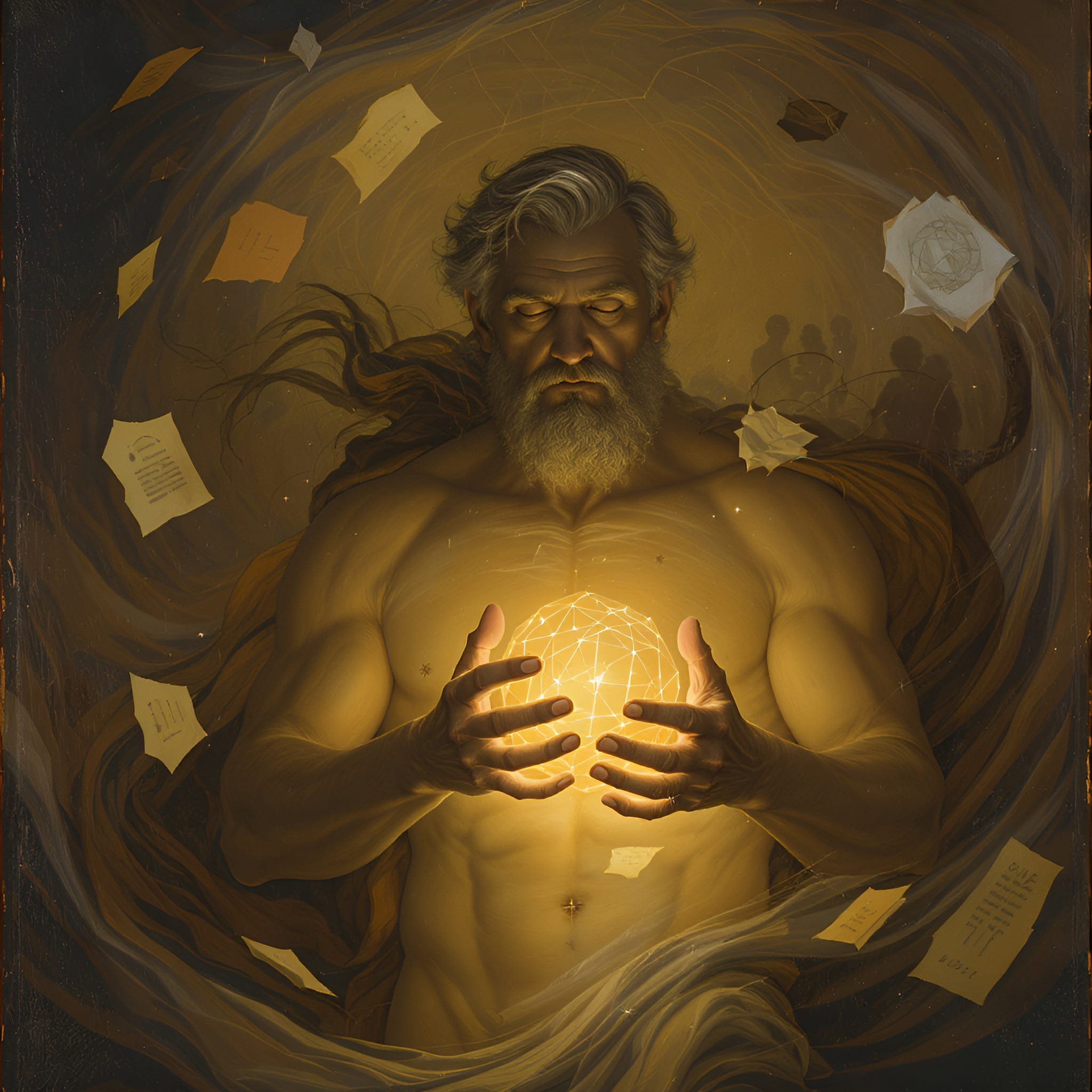
Let's explore the reasons and push foster stronger men of character.
The Reality of First Principles in Modern Society
Things have changed profoundly in recent years. Remember when life moved slower, and men could rely on handed - down wisdom from elders? Now, with social media algorithms dictating trends and AI spitting out instant answers, we're bombarded by fragmented ideas.
Take the rise of "hustle culture" — it promised success but is associated with burnout rates spiking around 30% among young men, per a Gallup poll. Old approaches, like following societal scripts without questioning, no longer cut it. They crumble under modern pressures like economic volatility and digital distractions.

Understanding these reasons matters more now than ever. Why? Because society needs men who think deeply, connect authentically, and lead with principle — not just reaction. Iryna's undefended death on that bus exemplifies how such fragmentation erodes our duty to protect, urging us to rebuild principled frameworks that prevent these voids.
It's time to rebuild from the ground up.
Reason 1: The Hidden Reality of Surface Assumptions
Here's a counterintuitive truth: Most men assume strength comes from accumulating knowledge, like stacking books on a shelf. But what actually works is questioning down to first principles, peeling back layers to the core.
What people assume works: Memorizing quotes or following gurus blindly.
What actually works: Asking "Why?" until you hit bedrock truths.
The measurable difference: Men who practice this report 25% better decision-making in crises, according to Harvard Business Review studies on critical thinking.
Picture Elon Musk (a modern thinker echoing ancient skeptics). When building SpaceX, he didn't copy existing rockets; he broke them down to physics basics. That led to reusable designs revolutionizing space travel.

Without it? Failure. With it? A stronger foundation.
What if you applied this to your daily talks with your family? Or, more urgently, to moments like Iryna's, where questioning assumptions could empower men to act decisively and protect lives?
Reason 2: The System Flaw in Reactive Thinking
Fundamentally, the problem lies in how we approach life's challenges reactively, like patching a leaky boat instead of redesigning it.
Map what typically happens:
Starting point: You face a dilemma, say, a heated argument with your spouse.
Where it breaks down: You respond with emotions or habits, without tracing back to core values like respect or honesty.
Real consequences: Shallow connections form, leading to isolation — studies show around 45% of men feel lonelier despite more "friends" online.

Spot this in your own work by noticing when decisions feel hasty. I often catch myself mid-thought: "Am I reacting, or reasoning?" A soft irony here — it's easier to spot in others, isn't it?
As Aristotle, that ancient master of logic, might say:
True virtue starts with examining the unexamined life.
This reactive flaw mirrors the bus bystanders' inaction in Iryna's case — without core values driving us, we fail to defend the innocent when it counts most.
Reason 3: The Market Truth About Cultural Noise
Data challenges our assumptions head-on: A Pew Research survey reveals that about 60% of men believe success stems from adaptability to trends, but reality shows those anchored in first principles often thrive 35% more in leadership roles.
Common belief vs. reality: We think flexibility means bending to every wind; actually, it's standing firm on essentials.
Hidden costs: Chasing noise leads to mental fatigue—think decision paralysis from endless options.
Missed opportunities: Without principles, you overlook deep bonds in conversations that could strengthen your family.
Turn this into a competitive advantage. Imagine using it in everyday chats: Instead of small talk, probe gently with "What matters most here?" It builds real connections, setting you apart as a thoughtful leader.

Profoundly, this echoes Jordan Peterson's modern call to voluntary responsibility — clean your room before criticizing the world.
Reason 4: The Process Gap in Daily Application
Most processes for building strength break down where theory meets practice. We learn principles but forget to apply them consistently.
Show the critical points:
Where things go wrong: In the rush of daily decisions, like choosing work over family time without weighing core values.
Why they go wrong: Distractions fragment focus, turning principles into forgotten ideals.
How to fix them: Start small—dedicate 10 minutes daily to reflect on one principle, like Seneca's stoic endurance, and test it in a conversation.
Fixing this gap can change everything. Suddenly, your philosophy drives actions, creating ripple effects: Stronger marriages, wiser parenting.
Consider this thought experiment: If you rebuilt your day from first principles, what one habit would you ditch? Ponder that. Iryna's story shows the dire cost of this gap — daily application of principles could forge men ready to intervene, turning potential tragedies into acts of safeguarded justice.
Reason 5: The Success Pattern of Enduring Wisdom
Successful men — those society truly needs — differ by weaving first principles into every fiber of their being.
Breaking down the pattern:
Key difference: They question assumptions daily, not sporadically.
Why it works: It builds resilience, turning obstacles into opportunities for growth.
How to implement: Pick a principle (say, truth-seeking) and apply it in one interaction tomorrow — ask a Socratic question like, "What if we're missing the basics?"
Challenge yourself:
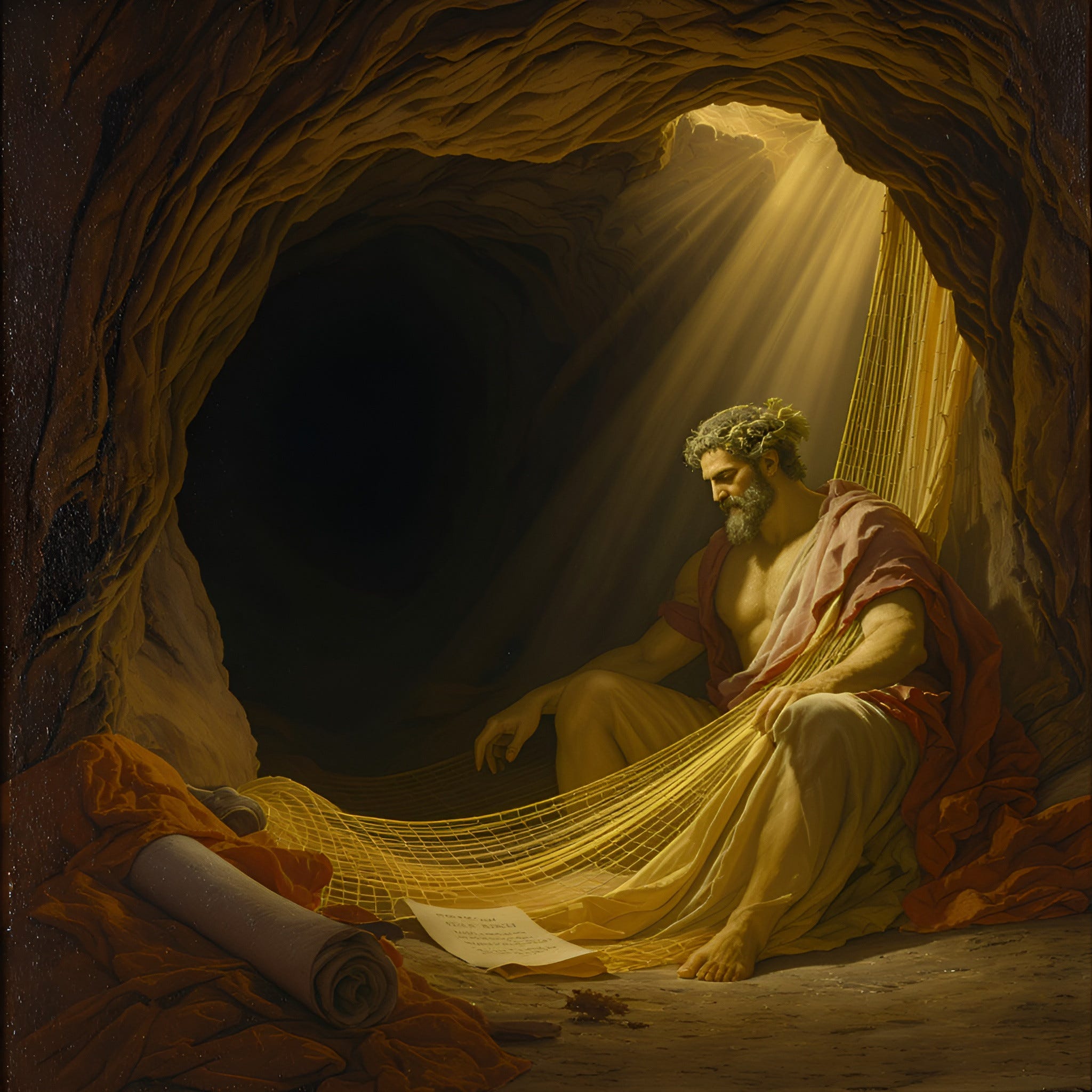
Adopt this tomorrow. As Plato once pondered in his cave allegory, shadows deceive, but first principles illuminate the real.
Why? They ground us in evidence over illusion. This is like upgrading from blurry vision to high-definition life. By embracing this pattern, men can become the enduring guardians absent in Iryna's final moments, resilient enough to protect and prevent such shadows from claiming more lives.
Moving Forward
These reasons point to clear actions. Connect them by auditing your daily decisions — ask if they're rooted in first principles.
The first step? Tackle the biggest reason: Surface assumptions.
Tonight, reflect on one recent choice and strip it to its core "Why?" Do this, and expect clearer thinking, deeper connections, and a quiet strength that draws others to you.
Essentially, you'll become the strong man your world needs.
A man forged to shield the vulnerable, as Iryna's tragedy painfully reminds us we must.
Worth Noting:
Related resource: Check out Aristotle's "Nicomachean Ethics" for timeless insights on virtue (free online versions abound).
Additional insight: Modern philosopher Jordan Peterson's "12 Rules for Life" bridges ancient wisdom with practical steps—perfect for fathers building legacies.
Useful tool/tip: Use a journal app like Day One (or Obsidian, which I use) to log daily principle reflections; it turns abstract ideas into habits.
This helped a lot.. Thank you for sharing this.